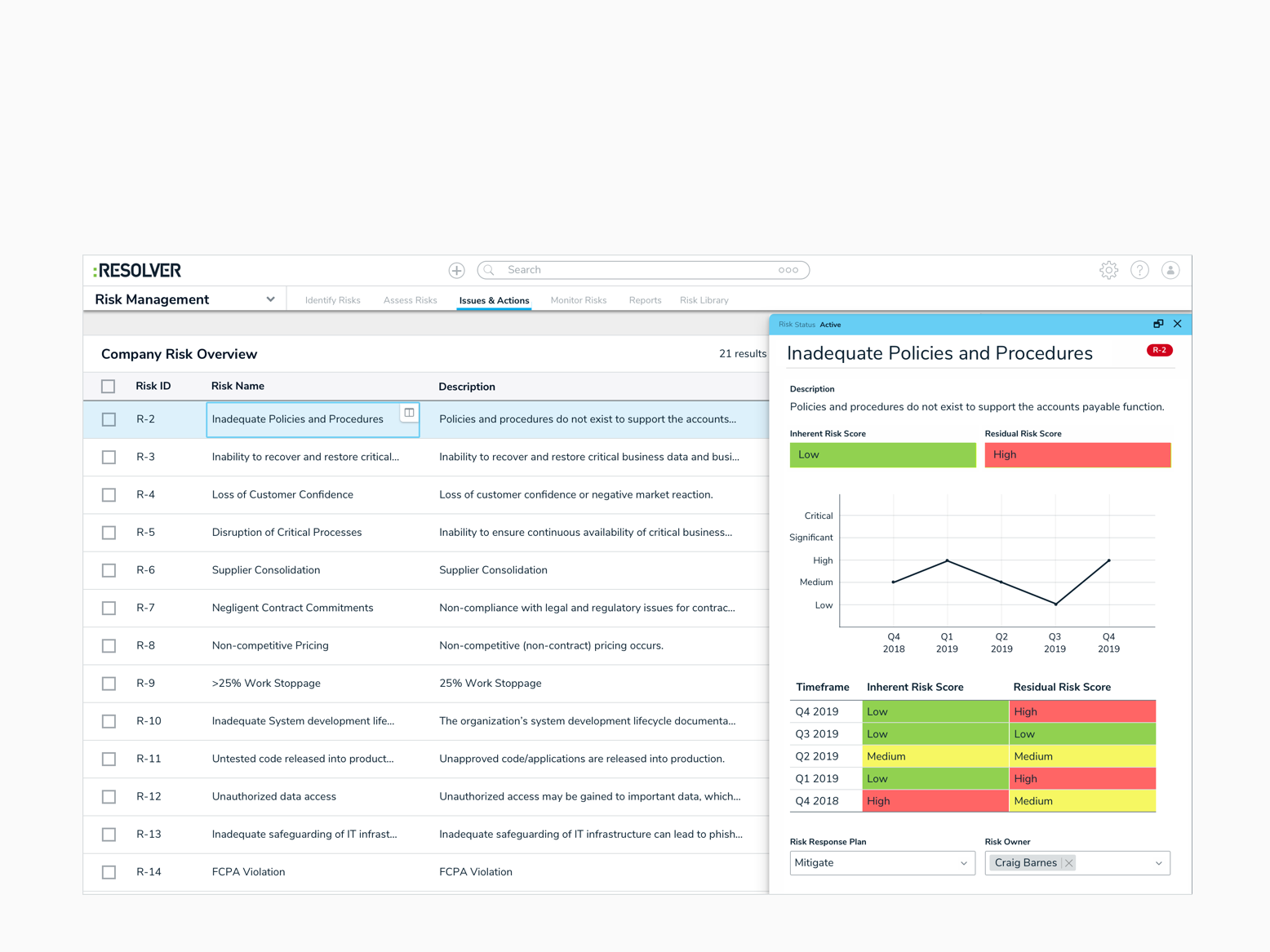

Company: Top Hat | Role: Senior Product Designer | Timeline: 3 months | Team: PM, User Researcher, Developers (2)
Problem
Only 50-60% of instructors who sign up for Top Hat ever create or add content. This drop-off at a critical moment in the first-time customer experience severely limits the likelihood that they will progress through the funnel and become active long-term users.
Why this matters:
Addressing this gap is essential to unlocking instructor adoption, driving student enrollments, and ultimately fueling sustainable growth.
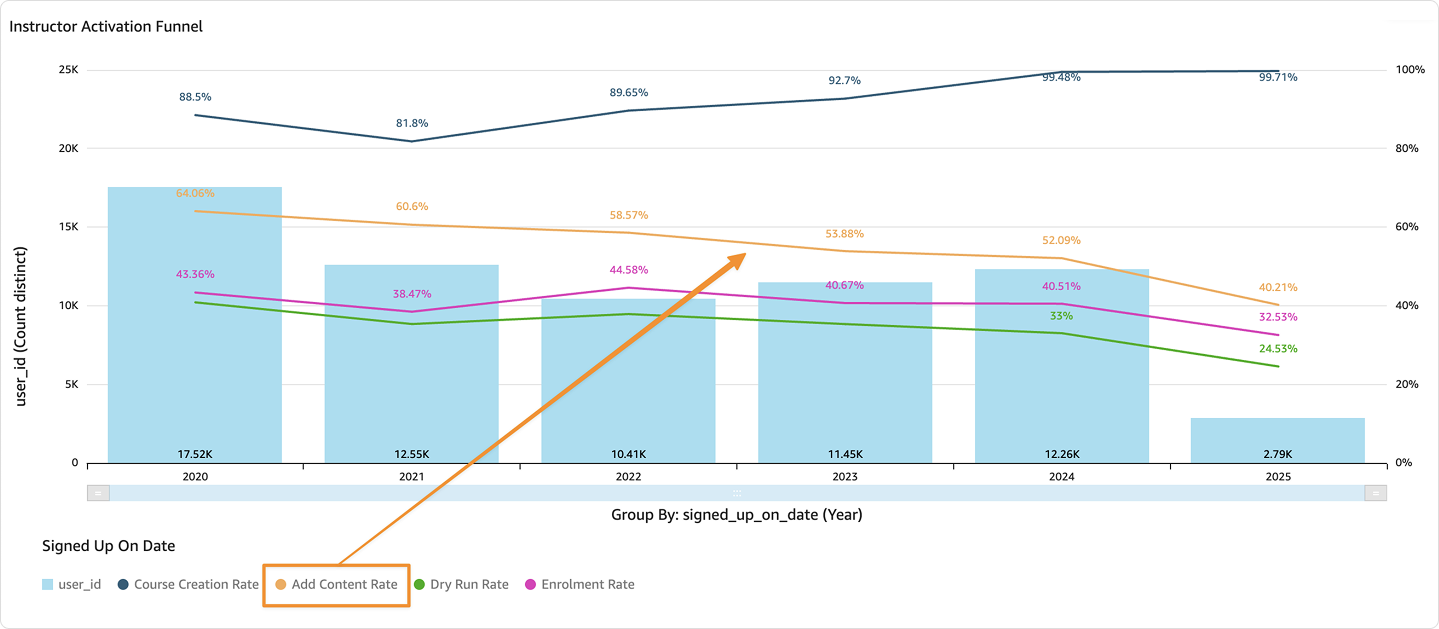
Chart showing the Instructor Activation funnel
My Role
I led the end-to-end design of the MVP onboarding experience, from initial research synthesis through design exploration, prototyping, and iteration. I partnered closely with my product manager to define success metrics and align on activation goals, and collaborated with engineering to validate technical feasibility and bring the experience to life.
Goals
Increase instructor activation by removing friction and motivating early engagement with Top Hat’s core features.
Drive higher student enrollments and long-term platform adoption by converting more instructors into active users.
Defining Success
To evaluate whether our solution could drive long-term adoption, we focused on early signs of activation -- the first actions that show an instructor is beginning to see value in Top Hat.
Our success metrics were:
Instructor Activation: Adding 2 questions or uploading 1 piece of content in Top Hat.
Student Enrollment: Adding or inviting at least 1 student to their course.
User Research
I partnered with our user researcher to interview 5 instructors who signed up but never became active to uncover why they dropped off.
Hypotheses:
1. Instructors face friction during onboarding
2. Expectations of Top Hat do not align with what is experienced
Findings:
- Onboarding gaps: Without guidance, instructors lost momentum quickly.
- Time constraints: Instructors are too busy to explore a new tool on their own.
- Feature awareness: Limited understanding of Top Hat’s capabilities reduced urgency to adopt.
Takeaway:
The first-time experience must reduce friction, save time, and highlight immediate value to move instructors past sign-up.
First-time Instructor Journey
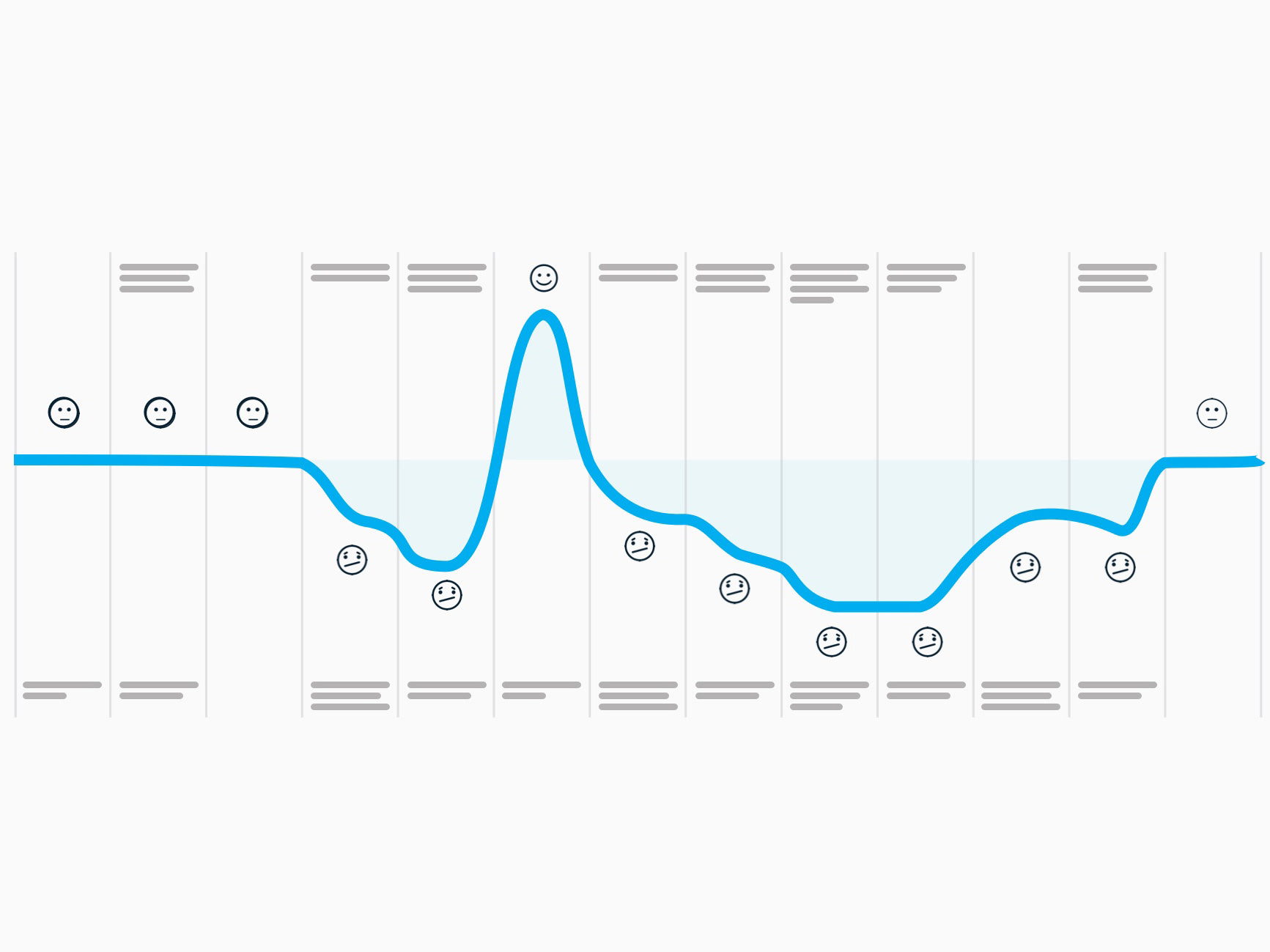
Here’s what instructors were seeing when they first signed up for Top Hat. Notice how multiple call-outs and lack of structure contribute to the drop-off we observed in research.
This video highlights the friction points after sign-up that stopped instructors from creating content.
How might we help instructors quickly see value in Top Hat, in ways that directly support how and what they teach?
Opportunity
When instructors signed up for Top Hat, they shared basic details: name, email, and school. At first, it seemed simple. But we realized this data could unlock something powerful.
By pairing it with AI search engines like Perplexity AI, we could uncover what instructors were actually teaching.
This opened up a huge opportunity: instead of asking instructors to start from scratch, we could instantly surface personalized, ready-to-use content, and make onboarding feel effortless.
Envisioning the ideal experience
To build alignment and secure stakeholder buy-in, I created a storyboard that illustrated what the ideal instructor onboarding experience could look like.
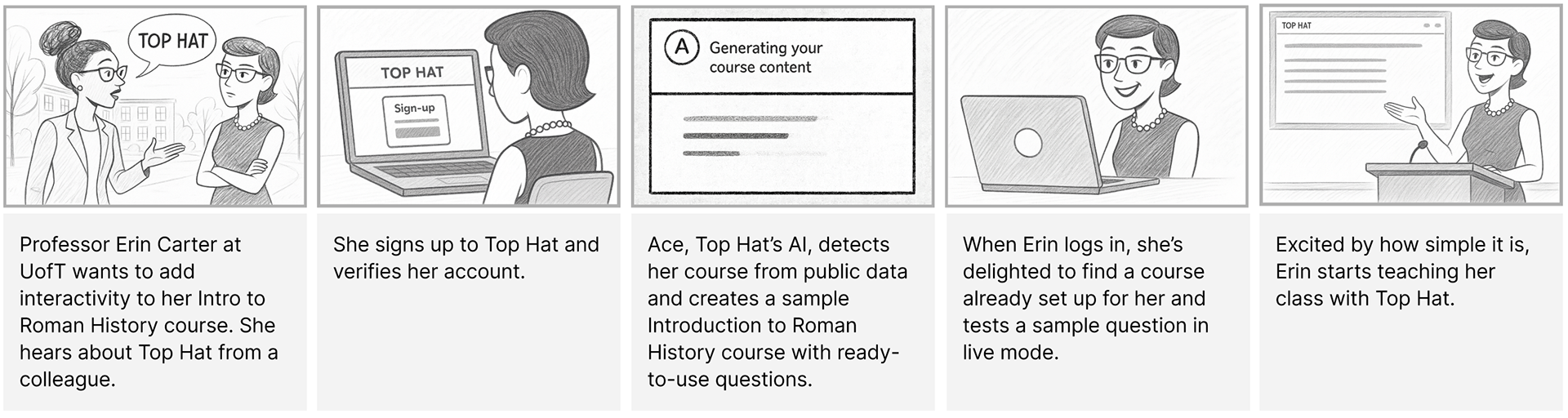
Storyboard illustrating the ideal instructor onboarding experience
MVP Design Solution
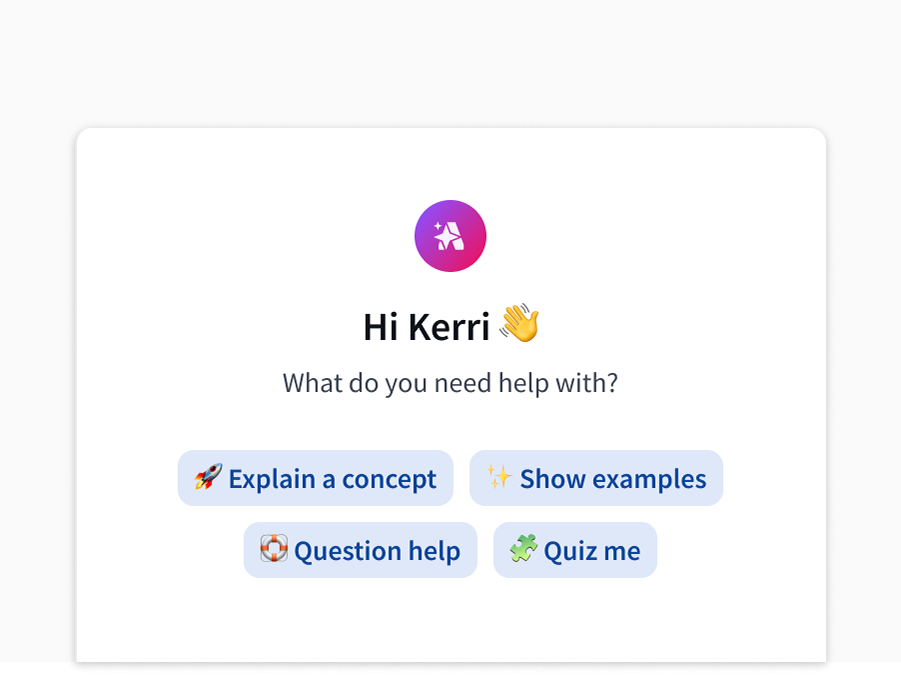
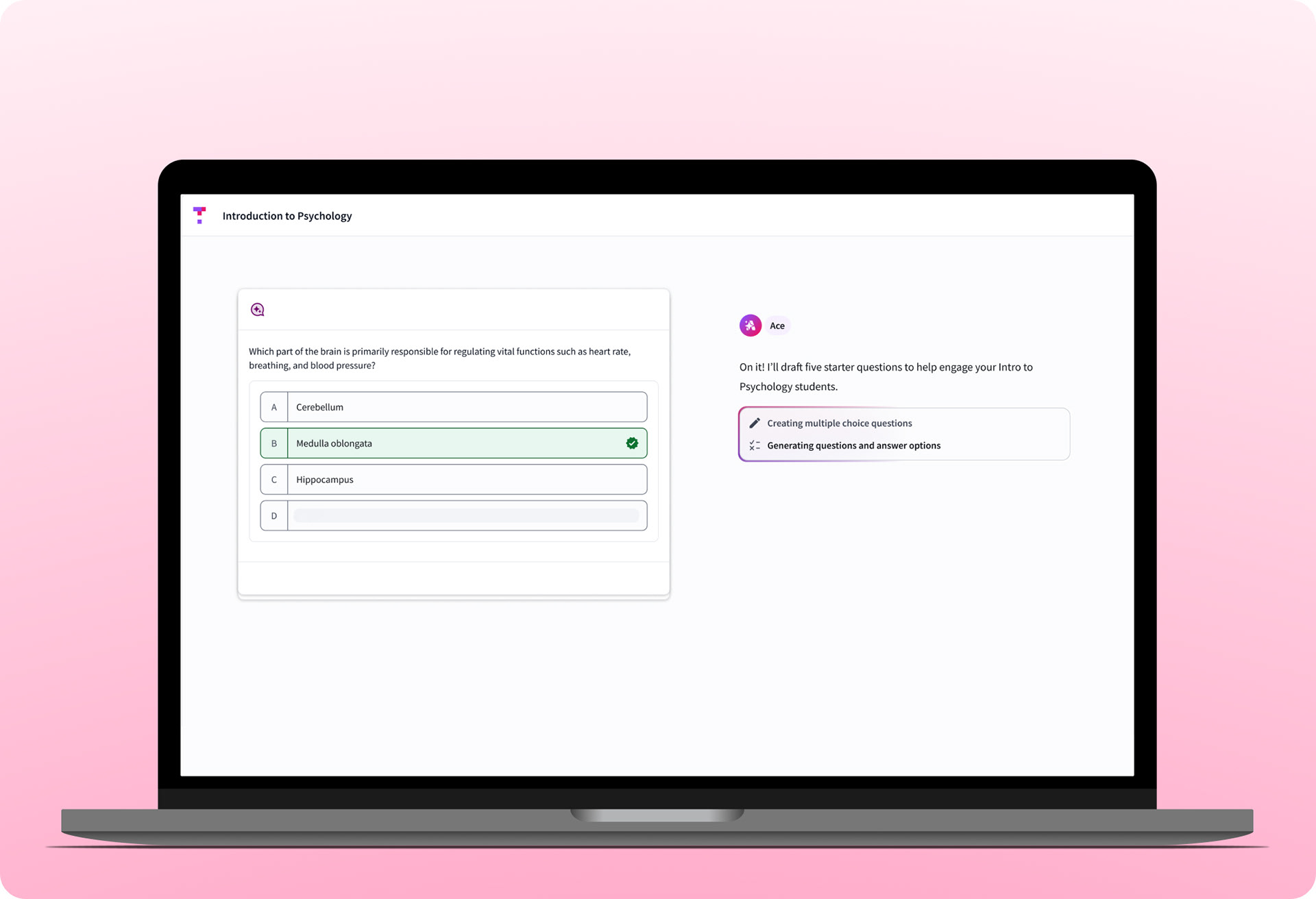
I designed the MVP solution to quickly showcase Top Hat’s value by automatically creating a course based on the instructor’s past teaching history, identified through Perplexity AI. From there, OpenAI generated five starter questions aligned with different learning objectives of that course.
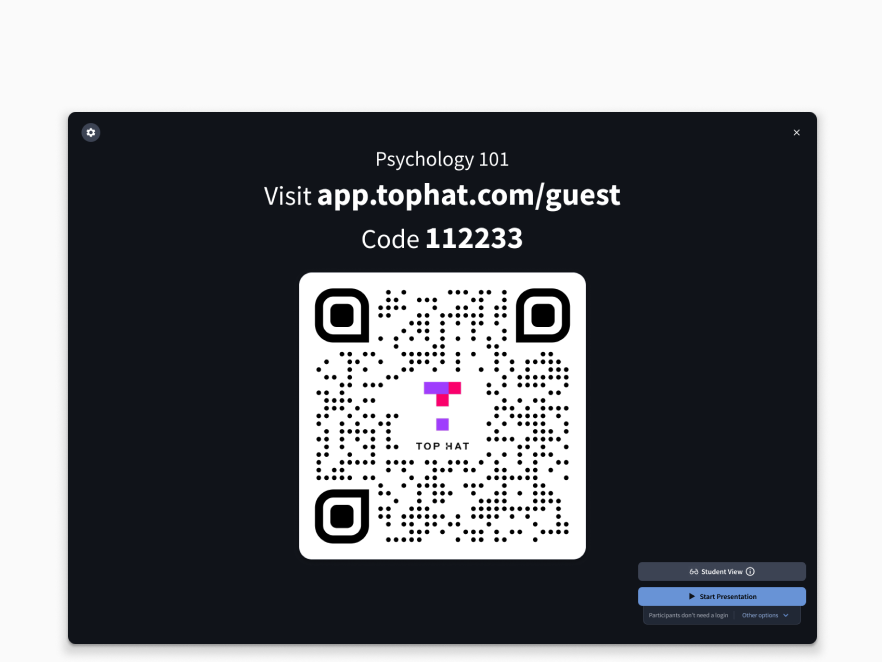
Instructors could then immediately test questions live in Guest Mode or jump directly into their new course to explore the generated content.
Recording of the MVP prototype I designed in Figma.
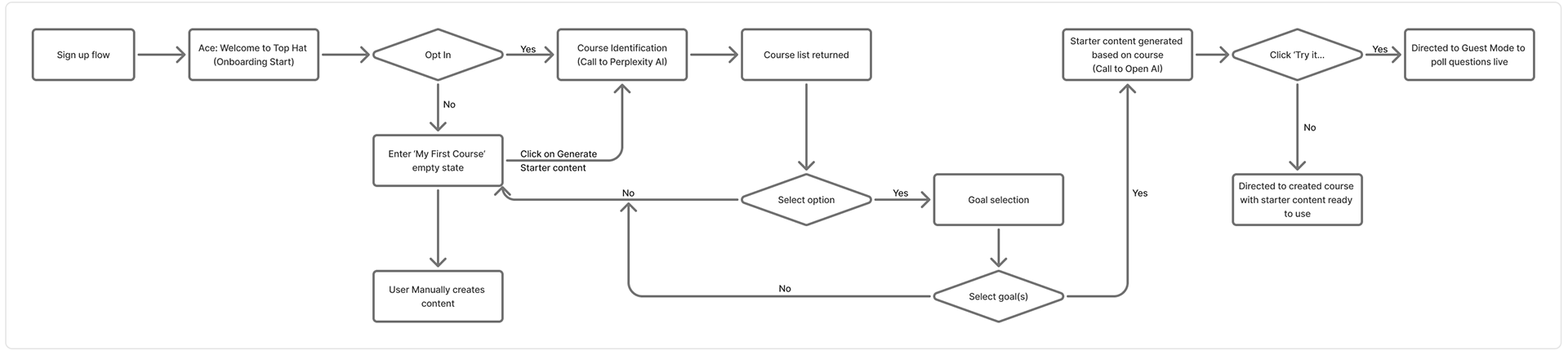
Flowchart illustrating the onboarding experience.
Impact
To measure effectiveness, we ran an A/B test: a control group without the new onboarding flow, and a test group with it. After just 3 months, the results were striking:
- Question Creation: Jumped from 7% → 15% (2× increase)
- Presenting Questions: Increased from 7% → 29% (4× increase)
- Slide Uploads: Improved from 13% → 19% (~46% lift)
- Student Enrollment: Grew from 16% → 22.5% (~40% lift)
Instructors who experienced the personalized onboarding flow were far more likely to take meaningful actions: creating content, presenting it, and enrolling students. This early momentum didn’t just boost activation; it set the foundation for long-term adoption and sustainable growth.
Next Steps
This experiment showed that personalization can dramatically improve activation. As a next step, we plan to deepen that impact by enabling syllabus uploads during onboarding. With a syllabus in place, Top Hat could instantly tailor course content and recommendations to what an instructor actually needs. We also aim to map instructor goals directly to the right workflows and tools, building on the engagement data and behavioral signals we’re already capturing through goal selection.